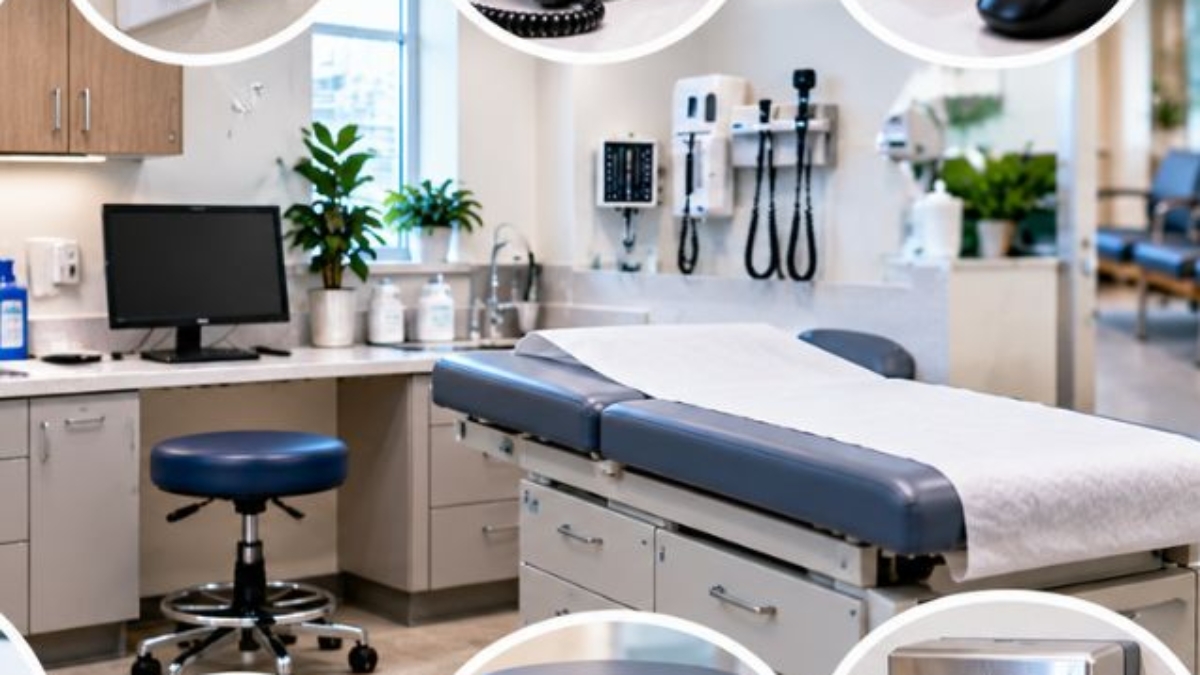
A medical office can look spotless and still have germs hiding in plain sight. The waiting room floor shines, the reception desk looks organized, and the exam rooms appear clean. But what about the door handle that dozens of patients touch? Or the clipboard that travels from one person to another?
These small details matter more than many people realize.
High-touch surfaces can collect microorganisms through frequent contact. Without proper cleaning and disinfection, they may contribute to the spread of infectious organisms in healthcare environments.
Professional medical office cleaning in Wilmington, NC involves more than removing visible dirt. It requires attention to frequently touched surfaces, appropriate disinfectants, and consistent cleaning procedures.
From reception counters to examination tables, every area deserves careful attention.
This guide explains 12 commonly overlooked high-touch surfaces, why they matter, and how medical facilities can maintain cleaner, safer environments for patients, visitors, and healthcare workers.
Understanding High-Touch Surfaces in Medical Offices
High-touch surfaces are objects or areas that people frequently contact with their hands.
In medical facilities, these surfaces may include door handles, light switches, examination equipment, countertops, and shared electronic devices.
According to the Centers for Disease Control and Prevention (CDC), healthcare facilities should prioritize high-touch surfaces during routine environmental cleaning because frequent contact increases opportunities for contamination.
Cleaning and disinfection serve different purposes.
- Cleaning removes dirt, organic material, and many germs from surfaces.
- Disinfection uses suitable chemical products or other approved methods to inactivate microorganisms on surfaces.
- Routine environmental cleaning follows a defined schedule based on the area, surface type, and risk of contamination.
Medical offices should follow appropriate infection prevention procedures rather than treating every surface like ordinary office furniture.
12 High-Touch Surfaces That Need Attention in Medical Offices
High-touch surfaces in medical offices can collect germs quickly. Here are 12 important areas that need regular cleaning and disinfection.
1. Door Handles and Entrance Push Plates
Door handles are among the first surfaces patients touch when entering a medical facility.
Patients, employees, delivery workers, and visitors may use the same entrance throughout the day.
Common contact points include entrance handles, interior door knobs, push plates, and restroom door hardware.
These surfaces can collect microorganisms through repeated hand contact.
Cleaning teams should include them in routine high-touch cleaning schedules and use compatible disinfectants when appropriate.
Facilities offering healthcare services should also consider entrance traffic when determining cleaning frequency.
A busy urgent care entrance may need more frequent attention than a rarely used administrative doorway.
2. Reception Counters and Check-In Desks
The reception area creates the first impression of a medical office.
It also serves as a common point of contact between patients and administrative staff.
Visitors may place identification cards, documents, phones, or personal belongings on reception counters.
Staff members frequently touch keyboards, pens, payment devices, and desk surfaces.
For facilities seeking medical office cleaning in Wilmington NC, reception areas deserve a clearly defined cleaning routine.
Focus on frequently contacted sections of the counter rather than only cleaning the most visible areas.
Staff should also keep cleaning products away from sensitive electronics and follow manufacturer instructions.
A tidy reception desk looks professional, but proper surface cleaning helps support infection prevention.
3. Waiting Room Chair Armrests
Waiting rooms bring people together, often when some visitors are experiencing symptoms.
Patients may touch chair armrests while sitting, standing, or adjusting their position.
Children may also explore nearby surfaces with their hands. Unfortunately, germs do not understand the concept of personal space.
Chair armrests, particularly those made from nonporous materials, should receive attention during routine cleaning.
Cleaning staff should consider the chair material before applying disinfectants.
Some products can damage upholstery or other surfaces.
Medical facilities should select furniture and cleaning procedures that support effective maintenance.
Interesting Read: Medical Areas Cleaning for Flu and Cold Season: Best Practices for Clinics
4. Clipboards, Pens, and Patient Forms
Shared writing materials are easy to overlook.
Patients may use the same clipboard or pen to complete registration forms, update medical information, or sign documents.
These items move between hands throughout the day.
Medical offices can reduce unnecessary sharing by offering digital registration options or assigning individual writing materials when practical.
Reusable clipboards and pens should follow an appropriate cleaning schedule.
Healthcare-focused cleaning services in Surf City NC may include shared administrative touchpoints in facility-specific cleaning checklists.
However, medical staff should establish procedures for cleaning items that circulate between patients during operating hours.
The goal is simple: reduce avoidable contact with potentially contaminated surfaces.
5. Light Switches and Thermostat Controls
Light switches are small, but employees may touch them repeatedly throughout the day.
Thermostats and environmental controls also receive frequent contact in certain offices.
Because these surfaces occupy little space, cleaning teams sometimes miss them during routine work.
Include wall switches, control panels, and accessible thermostat buttons in high-touch surface assessments.
Use cleaning products that suit the material and electrical equipment.
Avoid spraying liquids directly into electrical controls.
Instead, follow equipment manufacturer instructions and approved facility cleaning procedures.
A clean examination room should include the small details, not just the large surfaces.
6. Examination Tables and Patient Chairs
Examination tables directly support patient care.
Patients may sit, lie down, or place their hands on these surfaces during appointments.
Healthcare personnel also touch examination tables while assisting patients.
The CDC recommends cleaning and disinfecting appropriate patient-care surfaces between patients according to the setting and contamination risk.
Facilities should pay attention to examination table surfaces, adjustment controls, nearby chairs, and other frequently contacted areas.
Disposable examination table paper does not replace necessary cleaning and disinfection.
For organizations arranging commercial cleaning in Jacksonville, NC, it is important to distinguish routine janitorial responsibilities from between-patient cleaning duties.
Clinical teams and cleaning providers should understand who handles each task.
Clear responsibilities help prevent missed surfaces and inconsistent procedures.
7. Medical Equipment Controls and Touchscreens
Modern medical offices rely on electronic devices for patient monitoring, diagnosis, and recordkeeping.
Touchscreens, control panels, and equipment buttons may receive frequent contact from healthcare workers.
These surfaces require special attention because improper cleaning can damage sensitive equipment.
Clinical staff should follow manufacturer-approved cleaning and disinfection instructions.
For example, a touchscreen may require a compatible wipe rather than direct liquid application.
Healthcare teams should also establish clear responsibilities for cleaning shared patient-care equipment between uses.
According to the CDC, healthcare facilities should maintain written cleaning procedures for reusable noncritical medical equipment.
8. Computer Keyboards, Mice, and Shared Tablets
Computers support nearly every part of modern healthcare administration.
Receptionists, nurses, physicians, and office managers regularly use keyboards, mice, and tablets.
Because multiple employees may share these devices, they deserve attention in workplace cleaning procedures.
For facilities considering cleaning services in Surf City NC, administrative electronics should be part of the cleaning assessment.
However, cleaning teams must follow device manufacturer instructions.
Use suitable cleaning products, avoid excess moisture, and establish procedures that prevent damage to electronic components.
Healthcare organizations can also encourage regular hand hygiene among employees who handle shared devices.
A clean keyboard may not look impressive, but it deserves more attention than the decorative plant beside it.
9. Restroom Faucets, Flush Handles, and Dispensers
Medical office restrooms receive frequent use from patients, visitors, and employees.
Common high-touch surfaces include faucet handles, toilet flush controls, stall locks, soap dispensers, and restroom door handles.
These surfaces require regular cleaning and appropriate disinfection.
The CDC recommends cleaning and disinfecting frequently contaminated surfaces in shared patient-area restrooms at least twice daily, with additional cleaning when necessary.
Cleaning teams should use dedicated restroom supplies to help prevent cross-contamination.
They should also inspect soap dispensers, paper towel supplies, and handwashing facilities.
A restroom cleaning checklist should cover both visible cleanliness and frequently contacted surfaces.
10. Elevator Buttons and Stair Railings
Larger medical buildings may contain elevators, stairways, and shared corridors.
Patients and employees frequently touch elevator buttons and handrails while moving between departments.
These areas may fall outside individual examination rooms, making them easy to overlook.
Facilities should include shared building touchpoints in their environmental cleaning assessments.
Professional commercial cleaning in Jacksonville NC, may involve coordinating responsibilities between healthcare tenants, property managers, and cleaning contractors.
The cleaning schedule should reflect building traffic and the risk of contamination.
High-traffic surfaces may need more frequent attention than rarely used areas.
11. Trash Can Lids and Waste Disposal Areas
Waste containers are essential in healthcare environments.
Staff and visitors may touch trash can lids, handles, and surrounding surfaces throughout the day.
These areas can also experience spills and visible contamination.
Cleaning teams should regularly inspect waste containers, clean exterior contact points, and follow facility waste-handling procedures.
Healthcare facilities must distinguish ordinary waste from regulated medical waste.
Staff should handle sharps containers and potentially infectious waste according to applicable safety requirements.
Routine janitorial workers should not handle hazardous medical waste unless they have the required training and authorization.
Clear procedures protect workers and support safer waste management.
12. Privacy Curtains and Room Divider Edges
Privacy curtains help maintain patient comfort and confidentiality.
However, healthcare workers and patients may repeatedly touch curtain edges when entering or leaving examination areas.
These contact points can receive less attention than nearby counters or equipment.
The CDC identifies privacy curtain edges among commonly touched surfaces in healthcare settings.
Medical facilities should establish appropriate curtain cleaning or replacement schedules based on contamination risk and manufacturer instructions.
Washable curtains and suitable barrier systems can support easier maintenance.
Facilities should replace or clean visibly soiled curtains according to their infection prevention policies.
How Often Should Medical Offices Clean High-Touch Surfaces?
There is no single cleaning frequency that suits every medical facility.
The appropriate schedule depends on patient volume, the type of healthcare services, contamination risk, and facility procedures.
The CDC provides the following general environmental cleaning recommendations for outpatient settings.
| Medical office area | CDC general guidance |
| Waiting and admission areas | Clean high-touch surfaces at least daily |
| General consultation and examination areas | Clean high-touch surfaces at least twice daily |
| Minor procedure rooms | Clean and disinfect relevant surfaces before and after procedures |
| Shared patient-area restrooms | Clean and disinfect at least twice daily and as needed |
| Reusable patient-care equipment | Follow equipment-specific procedures and risk-based schedules |
These are general recommendations, not a substitute for facility-specific infection prevention policies. Certain clinical situations require additional cleaning or disinfection.
Interesting Read: Urgent Care Cleaning: Why High-Traffic Clinics Need a Different Protocol Than Doctors’ Offices
Best Practices for Effective Medical Office Cleaning
Healthcare facilities should establish written cleaning procedures rather than relying on visual inspections alone.
Effective medical office cleaning in Wilmington NC should account for patient traffic, surface materials, clinical activities, and staff responsibilities.
Important practices include:
- Identify frequently touched surfaces in every room.
- Develop cleaning checklists for different areas.
- Select appropriate EPA-registered disinfectants when disinfection is necessary.
- Follow product instructions, including required contact times.
- Train employees in cleaning procedures and protective equipment use.
- Separate restroom cleaning tools from patient-care cleaning supplies.
- Document completed cleaning tasks and review procedures regularly.
The CDC Core Infection Prevention and Control Practices emphasize appropriate environmental cleaning, disinfectant selection, and compliance with product instructions.
Cleaning teams should also coordinate with healthcare staff to avoid interrupting patient care.
Why Professional Medical Office Cleaning Matters
Medical facilities require more detailed cleaning procedures than many ordinary commercial workplaces.
An experienced cleaning provider can support routine environmental cleaning, help maintain consistent schedules, and document assigned cleaning tasks.
Organizations comparing cleaning services in Surf City, NC should ask whether providers understand healthcare cleaning requirements and staff training needs.
Similarly, facilities seeking commercial cleaning in Jacksonville, NC should confirm that the provider can accommodate medical office workflows and facility-specific protocols.
Professional cleaning supports environmental hygiene, but it does not replace hand hygiene, clinical infection prevention practices, or medical equipment reprocessing.
The strongest approach combines clear responsibilities, trained personnel, suitable products, and ongoing oversight.
Small Surfaces Deserve Serious Attention
High-touch surfaces may occupy only a small portion of a medical office, but they deserve consistent attention.
Door handles, reception counters, examination tables, electronic devices, and restroom fixtures all contribute to the facility’s cleaning needs.
Healthcare organizations should identify frequently contacted surfaces, develop practical cleaning schedules, and follow established infection prevention guidance.
For medical facilities seeking medical office cleaning in Wilmington, NC, choosing a provider that understands healthcare environments can support cleaner, better-maintained workplaces.
Frequently Asked Questions
1. What are high-touch surfaces in medical offices?
High-touch surfaces are frequently contacted areas, such as door handles, examination tables, light switches, countertops, and shared equipment.
2. How often should medical offices clean high-touch surfaces?
Cleaning frequency depends on the area and contamination risk. CDC guidance recommends more frequent cleaning for patient-care surfaces than low-touch areas.
3. Why is medical office cleaning different from regular office cleaning?
Medical facilities need risk-based cleaning procedures, appropriate disinfectants, trained personnel, and clear infection prevention responsibilities.
4. Should medical offices disinfect every surface daily?
Not necessarily. Cleaning and disinfection requirements depend on the surface, clinical activity, contamination risk, and facility policies.
5. Can regular cleaning products disinfect medical office surfaces?
Not all cleaning products disinfect. Facilities should use suitable EPA-registered disinfectants when disinfection is necessary and follow label instructions.
6. Who should clean medical examination equipment?
Responsibilities vary by equipment and facility. Clinical and cleaning staff should follow documented procedures and manufacturer instructions.
7. How can medical offices improve cleaning consistency?
Use detailed checklists, staff training, written schedules, routine inspections, and clear responsibilities for each cleaning task.

Leave A Comment