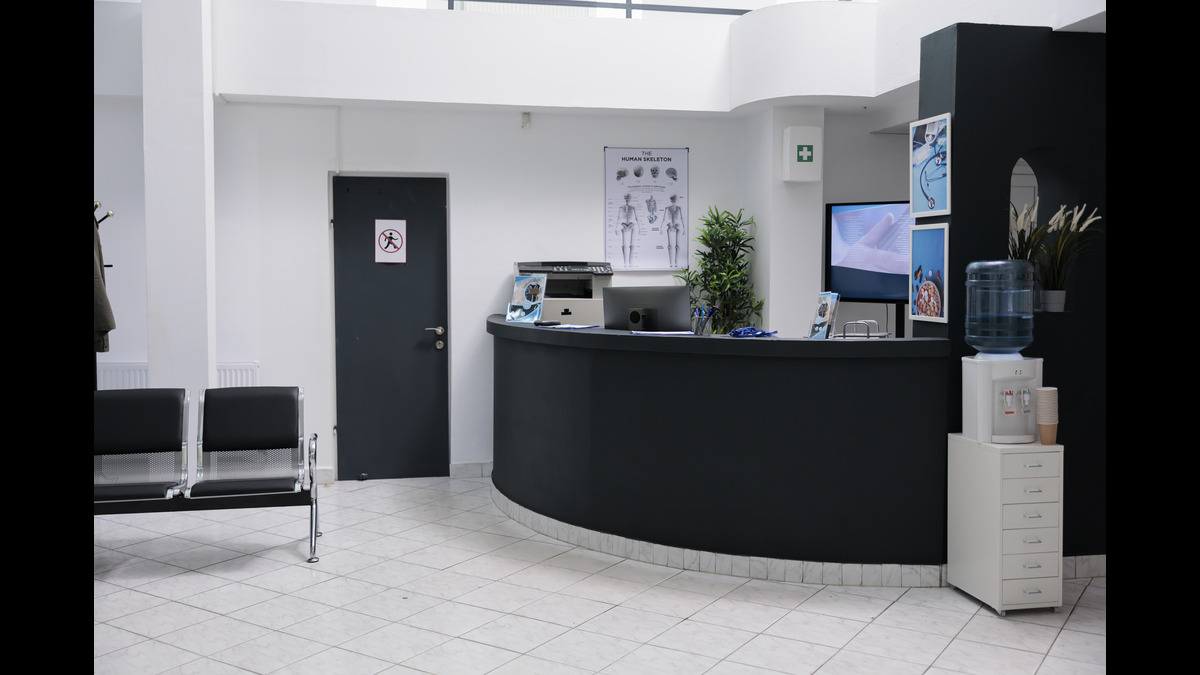
When you go to an urgent care clinic at any time, expect to see a lot of people walking to different areas and rooms, sitting and waiting, and using surfaces all around the clinic. Compare that to a small private doctor’s office. Same industry, but different cleaning needs.
For the medical office cleaning in Wilmington NC, one size does not fit all. An urgent care center needs to be cleaned at a different speed, and therefore needs a different cleaning procedure. With this, we will define what an urgent care cleaning is, why it is important, and how a clinic can provide a safe and acceptable environment without complicating it.
Understanding Professional Healthcare Cleaning Services
Medical office cleaning in Wilmington, NC, offers services to meet the unique needs of those working in the healthcare environment. It requires more than the usual janitorial services.
Here’s what it involves:
- Cleaning of all high-touch areas with disinfectants.
- Cleaning of biohazard waste.
- Safekeeping healthcare safety standards.
- Disinfecting with hospital-grade disinfectants.
Inevitably, the CDC and OSHA set certain standards for cleaning and infection control in healthcare settings. It is required and not optional.
Why Urgent Care Clinics Need a Different Approach
Urgent care clinics see a lot of patients for a quick visit. This creates a high volume and unpredictable patient flow that requires special consideration for office operations and patient care.
Here is what is different about urgent care and traditional doctor offices:
- High Volume: More patients mean more pathogens and illnesses spreading through the office.
- Shorter Visit Cycles: After each patient, cleaners have a quick turnaround take to do a thorough clean.
- Greater Risk of Exposure: Many patients arrive with an infectious illness.
- Flexible Hours: Cleaning has to happen during operating business hours.
A traditional family office may clean each exam room after a patient visit. Urgent care has to be cleaned constantly, often on a strict time limit after each patient.
That’s where structured systems like commercial cleaning services in Jacksonville come into play, offering scalable solutions for high-demand environments.
Key Questions, Features, or Points to Know
1. What Areas Require the Most Attention?
In high-patient-volume situations, some spots pose a greater risk than others.
Here are the most likely focus areas:
- Waiting room chairs and armrests
- Reception Desks and Payment Terminals
- Fast Exam Tables and Medical Equipment
- Restrooms and door handles
The CDC says high-touch surfaces can be used to transfer pathogens within a day if they have not been cleaned correctly. This is why, here, there is no room for mistakes. Logs must be kept for frequent disinfecting.
2. What is the Frequency of Cleaning?
Now we have the biggest difference in the cleaning approach.
Here’s the standard cleaning schedule you can expect:
- After every patient: Separate rooms and tools.
- Every 1 to 2 hours: Waiting areas, bathrooms.
- Once a day: General cleaning and disinfecting.
- Every week: Long, exhaustive cleaning.
Many clinics rely on commercial cleaning in Surf City providers to maintain these tight schedules without disrupting operations.
3. What Products and Tools Are Used?
Not all cleaning products work in healthcare environments.
Professional teams use:
- EPA-approved disinfectants
- Microfiber cloth systems (to reduce cross-contamination)
- Color-coded cleaning tools
- HEPA-filter vacuums
These tools help ensure that germs don’t spread from one area to another a common mistake in non-specialized cleaning.
4. How Do Cleaning Protocols Improve Patient Safety?
Keeping things clean is one of the best ways to keep people safe while in a care center
A recent CDC study showed that proper cleaning and disinfection help to decrease the number of healthcare-associated infections (HAIs), which affect thousands of patients each year.
Simply put:
- Healthier levels of cleanliness
- Healthier surfaces
- Healthier patients
Because of these reasons, medical office cleaning in Wilmington NC, is extremely important for the patients’ health and to keep their trust.
5. Can One Cleaning Plan Work for All Clinics?
Short answer: no.
Each clinic has unique needs based on:
- Patient volume
- Type of services offered
- Facility size and layout
For example, a pediatric urgent care center may require more frequent toy and surface disinfection, while an adult clinic focuses more on equipment sanitation.
Healthcare Cleaning Crisis Solver: 10 Complaints, Rankings, and Recovery Strategies
Common Misconceptions or Mistakes
Myth: Cleaning Urgent care locations is like any regular office cleaning.
Truth: Cleaning healthcare environments takes special training and protocols.
Myth: Cleaning at the end of the day is enough.
Truth: Clinics with a lot of activity/traffic need eternal cleaning.
Myth: Any company that cleans other workplaces can clean spaces that are medical.
Truth: Only trained professionals can clean healthcare environments.
Myth: Cleaning and disinfecting mean the same.
Truth: Cleaning is the process of dirt removal; Disinfecting is the process of destroying the bad organisms that are there.
Tips or Best Practices
If you own or operate an urgent care clinic, you should uphold certain practices:
- Design a checklist that indicates a plan as to when to cleanse.
- Provide staff quality training regarding cleanliness and infection warding.
- Limit or exclude the use of harsh cleaning supplies.
- Provide a brief and reasonable schedule whereby cleaning can address workflows.
- Collaborate with outside experts, including the various commercial cleaning service providers throughout Jacksonville.
- Conduct audits to evaluate the effectiveness of your cleaning standards.
Combine both commercial cleaning in Surf City with internal cleaning to receive what statistically will be the best results.
FAQ Section
1. What is medical office cleaning in Wilmington NC?
Healthcare facility cleaning services ensure that healthcare environments are sanitized, safe, and compliant with medical cleaning standards.
2. How is urgent care cleaning different from regular office cleaning?
Compliance with infection control protocols is more demanding, cleaning is quicker, and more frequent compared to other forms of office cleaning.
3. How often should urgent care clinics be cleaned?
It depends. But high-touch areas usually get cleaned every 1 to 2 hours, and more in-demand areas like exam rooms should be cleaned after each use.
4. Are commercial cleaning services in Jacksonville suitable for healthcare facilities?
Specifically designed to handle the healthcare industry, cleaning services exist for just about every high-traffic healthcare-related cleaning need.
5. What certifications should a cleaning company have?
OSHA training, experience with the cleaning of medical facilities, and infection control are the necessities.
6. Can small clinics use the same cleaning protocols as urgent care centers?
It depends. Protocols should be designed based on the risk and patient volume.
Conclusion
Urgent care clinics operate in fast-paced, high-risk environments where cleanliness directly impacts health outcomes. That’s why they need more than basic cleaning—they need structured, consistent, and professional protocols.
By investing in expert medical office cleaning in Wilmington NC, clinics can maintain safer environments, improve patient trust, and meet compliance standards without stress.
If your clinic handles high patient traffic, now is the time to rethink your cleaning strategy. Partner with professionals who understand healthcare environments and can deliver reliable results every day.
Contact us today to create a customized cleaning plan that keeps your clinic safe, compliant, and ready for every patient who walks through the door.
Also Read More: Veterinary Cleaning Compliance: What Clinics Need to Know

Leave A Comment