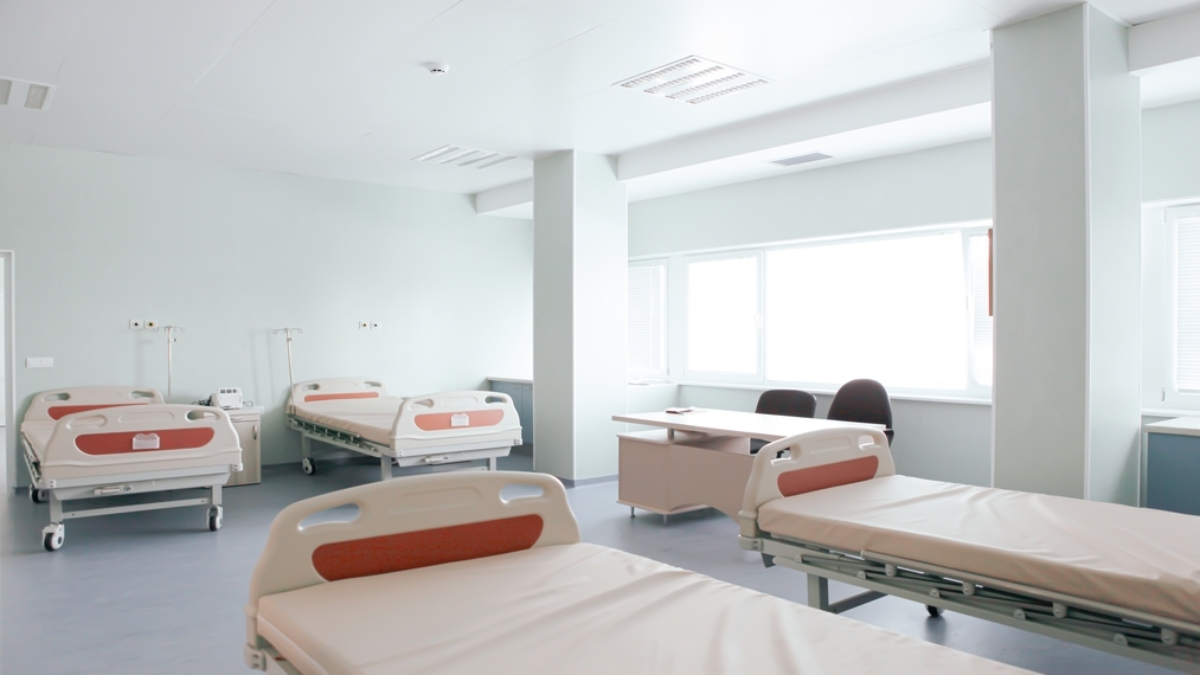
Flu and cold season can be one of the most challenging times for healthcare facilities. Patients visit clinics seeking treatment while unknowingly bringing germs and viruses into waiting rooms, exam rooms, and common areas. Without proper cleaning protocols, healthcare environments can become hotspots for the spread of illness.
This is why medical office cleaning in wilmington nc becomes even more important during peak flu and cold seasons. A clean and sanitized clinic helps protect patients, staff, and visitors while creating a healthier environment for everyone. In this guide, we’ll explore best practices for keeping medical facilities clean, reducing infection risks, and maintaining high standards of hygiene throughout the year.
What Is Medical Office Cleaning and Why Is It Different From Regular Cleaning?
Medical office cleaning is a specialized process that follows healthcare-specific protocols to eliminate pathogens, prevent cross-contamination, and maintain a clinically safe environment. It goes far beyond mopping floors and wiping counters.
Unlike standard commercial janitorial work, professional medical cleaning requires:
- EPA-registered disinfectants proven effective against influenza, rhinovirus, and similar respiratory pathogens
- Strict dwell times mean disinfectant must remain wet on a surface long enough to actually kill germs
- Color-coded cleaning tools that prevent bacteria from migrating between zones
- Staff trained in infection control principles and safe chemical handling
- Compliance with OSHA, CDC, and healthcare facility hygiene standards
Think of it this way: in a standard office, a missed spot is an aesthetic problem. In a medical facility, it can be a clinical liability.
Why Medical Cleaning Matters During Flu and Cold Season
Commercial cleaning in Wilmington NC that follows healthcare-grade protocols during this period is not optional; it’s a frontline defense. Here’s why:
Patient vulnerability is elevated. Clinics see a surge in immunocompromised patients, elderly visitors, and young children during flu season populations for whom a secondary infection can become genuinely dangerous.
Viral survival on surfaces is real and measurable. The influenza virus can survive on hard surfaces for up to 24 hours. The common cold virus can linger even longer up to 7 days on some materials. Standard cleaning products simply don’t eliminate them.
Cross-contamination between patients is a silent risk. Waiting room chairs, shared pens, clipboards, and check-in tablets are prime hotspots. Without targeted disinfection, each new patient may be exposed to the previous one’s illness.
Staff illness disrupts patient care. When healthcare workers get sick, clinic capacity suffers. A rigorous cleaning protocol protects not just patients, but your entire team.
Key Best Practices for Cleaning Medical Areas During Flu Season
1. Increase Disinfection Frequency for High-Touch Surfaces
During flu season, surface disinfection must happen multiple times per day not just during nightly cleaning. High-touch zones that need consistent, frequent attention include:
- Door handles and push plates (inside and outside)
- Reception counters and patient check-in kiosks
- Waiting room chairs, tables, and armrests
- Shared pens, clipboards, and intake tablets
- Bathroom faucets, flush handles, and soap dispensers
- Examination room surfaces and equipment between every patient visit
The CDC recommends disinfecting high-touch surfaces in healthcare settings at minimum twice daily during peak respiratory illness season and more frequently when patient volume is high.
2. Use the Right Disinfectants Not Just Any Product Off the Shelf
Only EPA-registered disinfectants that appear on the EPA’s List N are appropriate for medical facilities. These are the chemicals specifically approved for efficacy against influenza, rhinovirus, and related pathogens.
Effective agents commonly used in healthcare settings include quaternary ammonium compounds, hydrogen peroxide-based solutions, and appropriately diluted sodium hypochlorite (bleach). The critical detail most staff get wrong is contact time wiping a surface dry immediately after application completely cancels out the disinfectant’s effectiveness. Always follow the labeled dwell time.
3. Implement Zone-Based Cleaning Protocols
Every medical facility should divide its space into cleaning zones based on infection risk level:
- High-risk zones: Exam rooms, procedure areas, and restrooms are disinfected after every single patient
- Medium-risk zones: Waiting rooms and reception areas are cleaned every 2- 4 hours during operating hours
- Low-risk zones: Administrative offices and break rooms are cleaned daily
Using color-coded microfiber cloths and mop heads is essential for preventing cross-zone contamination. A standard system uses red for restrooms, blue for reception areas, and green for patient care rooms. Never mix them between zones.
4. Improve Air Quality and Ventilation Throughout the Facility
Surface cleaning alone is not a complete strategy. Flu and cold viruses also spread through the air via respiratory droplets. Best practices for air quality during flu season include:
- Replacing HVAC filters more frequently during the winter months
- Installing HEPA air purifiers in high-traffic waiting areas
- Maintaining adequate ventilation in line with ASHRAE standards for healthcare facilities
- Keeping indoor relative humidity between 40–60% dry air significantly extends the survival time of airborne respiratory viruses
Many clinics also benefit from professional commercial cleaning in wilmington nc services to ensure consistent sanitation standards throughout patient-facing areas.
5. Train Every Member of Your Cleaning Team on Healthcare Protocols
Even experienced commercial cleaners need healthcare-specific training before working in a medical facility. Key training areas include proper donning and doffing of PPE (gloves, masks, and gowns), safe chemical handling, understanding why dwell times are non-negotiable, and recognizing high-risk contamination zones.
If your in-house team lacks this level of training, partnering with a provider offering cleaning services Jacksonville NC, with a dedicated healthcare division ensures your facility is always operating at clinical standards, especially during flu season when the margin for error is smallest.
“Healthcare Cleaning Crisis Solver: 10 Complaints, Rankings, and Recovery Strategies“
Common Misconceptions About Medical Cleaning
Myth: Regular office cleaning is enough.
Truth: Healthcare facilities require specialized cleaning methods designed to control infection risks.
Myth: Visible cleanliness means surfaces are disinfected.
Truth: A surface may look clean but still contain harmful germs and viruses.
Myth: Cleaning once per day is sufficient.
Truth: High-traffic medical environments often require multiple cleaning cycles each day.
Myth: Hand sanitizer replaces cleaning.
Truth: Hand hygiene is important, but it cannot replace proper environmental cleaning and disinfection.
Best Practices Checklist: What Every Clinic Should Do This Flu Season
Use this quick-reference checklist to evaluate your current cleaning protocol and close any gaps before flu season peaks:
- Schedule high-touch surface disinfection at least twice daily more during high patient volume periods
- Transition to EPA List N-certified disinfectants and train all staff on correct product dwell times
- Establish zone-based cleaning with clearly color-coded tools for every area of the facility
- Upgrade waiting room air quality with HEPA air purifiers and improved HVAC filtration
- Set up visible hygiene stations hand sanitizer dispensers and mask availability at entry points
- Review and formally update your infection control cleaning plan before each flu season begins
- Engage a certified provider offering commercial cleaning in Wilmington NC with verified healthcare experience if internal capacity or training is insufficient
- Maintain written cleaning logs for every area essential for compliance documentation and liability protection
Many healthcare organizations also partner with professional cleaning services jacksonville nc providers to supplement internal cleaning efforts and maintain consistent sanitation standards.
Frequently Asked Questions
1. How often should a medical office be cleaned during flu season?
High-touch surfaces should be disinfected multiple times daily. Full cleaning and sanitization should occur at least once every day, with additional cleaning as needed.
2. What areas of a clinic require the most attention?
Waiting rooms, exam rooms, restrooms, reception desks, door handles, and shared equipment typically require the most frequent cleaning.
3. Why is medical office cleaning different from standard office cleaning?
Healthcare environments have higher infection risks and require specialized cleaning procedures, disinfectants, and compliance-focused practices.
4. Can professional cleaning services help reduce illness transmission?
While no cleaning program can eliminate all risks, proper cleaning and disinfection significantly reduce the spread of many common germs and viruses.
5. Are healthcare-grade disinfectants necessary?
Yes. Healthcare-grade disinfectants are specifically formulated to target pathogens commonly found in medical environments.
6. How can clinics improve patient confidence during flu season?
Maintaining visible cleanliness, providing hand sanitizer, disinfecting surfaces regularly, and following infection-control protocols can help reassure patients.
Conclusion
Flu and cold season places additional demands on healthcare facilities, making cleanliness more important than ever. Effective medical office cleaning in wilmington nc helps reduce infection risks, protect staff and patients, and maintain a safe, welcoming environment.
By focusing on high-touch surfaces, increasing cleaning frequency, using healthcare-grade disinfectants, and following best practices, clinics can better manage seasonal health challenges. Whether working with internal teams or professional cleaning services jacksonville nc providers, maintaining consistent cleaning standards is a critical step toward supporting patient safety and overall healthcare quality.
Protect your patients, staff, and visitors with professional healthcare cleaning services. Contact us today to schedule a consultation and learn more about our specialized medical facility cleaning solutions.
Also Learn More : High-Tech Office Cleaning: How to Safely Clean Server Rooms and Electronics

Leave A Comment