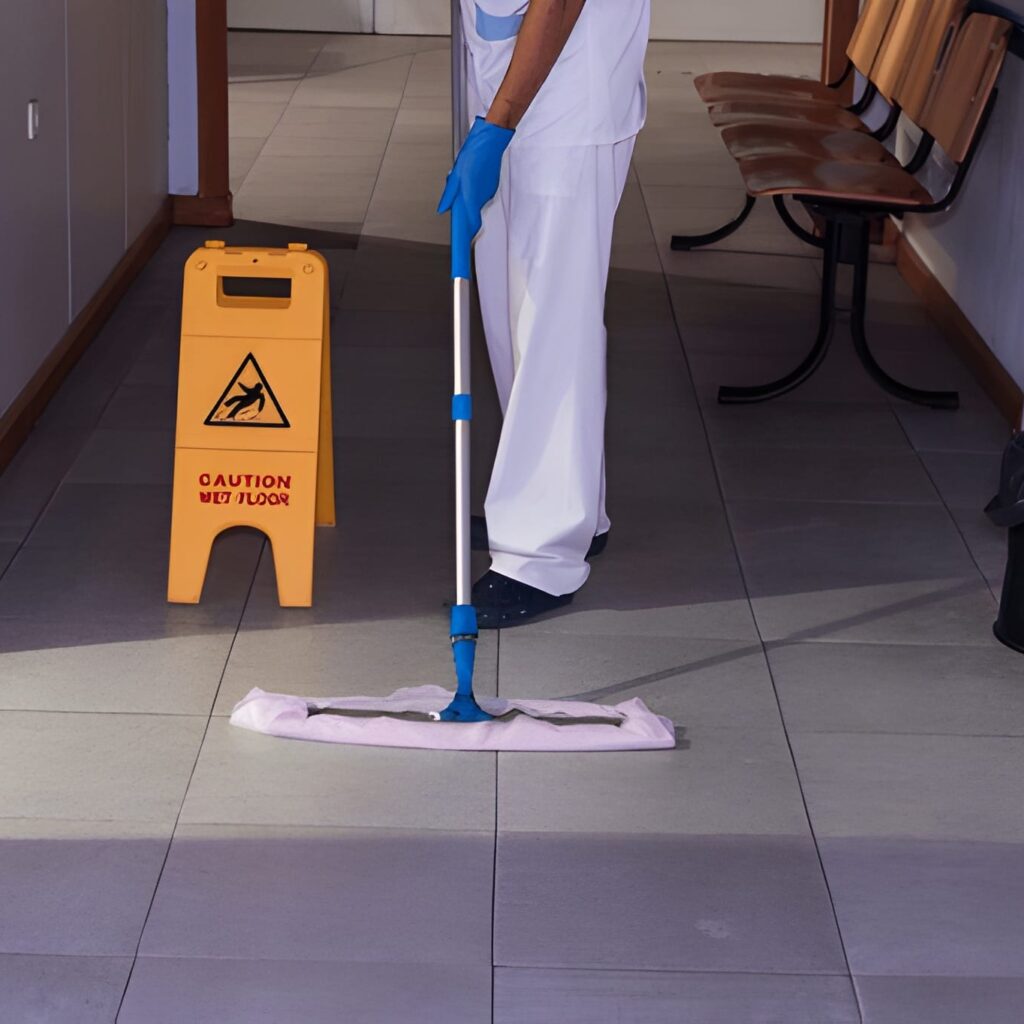
Maintaining a clean medical office goes beyond simple “looks.” It directly affects patient safety, provider productivity, and the overall operation of a clinic. Many medical offices don’t realize how important professional cleaning is and think that general cleaning is enough. Routine, professional cleaning ensures the risks of all types of infections are minimized, improves the atmosphere of healing and safety, and improves compliance with health regulations. This is where medical office cleaning services in Wilmington are most valuable.
In this article, we discuss what medical office cleaning means, why it is important, why people may think it is not, and practical, easy-to-implement recommendations to keep your clinic a safe and germ-free place for patients and healthcare staff. We will also share information about other related services, such as commercial cleaning services in Hampstead and professional office cleaning services in Surf City that benefit healthcare practices.
Understanding Medical Office Cleaning Services
Cleaning services for medical offices are specialized cleaning plans intended for healthcare settings. Unlike ordinary janitorial or cleaning services, these services should be used to ensure a clean, sterile, hygienic, and organized work environment..
The most common services include :
- Sanitizing surfaces people have touched, including doorknobs, counters, and reception areas.
- Deep cleaning exam rooms and medical equipment surfaces.
- Disinfecting restrooms and waiting areas.
- Properly removing or disposing of all waste and medical waste.
When cleaning professionals adhere to the industry’s standards, they help to lower the risk of infection and healthcare-associated infections, while also creating an environment and expert impression that patients can trust.
Why It Matters and Who It Helps
Keeping a medical office clean is not optional; it is essential.
- Patient safety: A clean environment reduces the likelihood of bacterial, viral, or other pathogens from spreading and keeps patients safe from infections related to health care.
- Efficiency of operating staff: A clean area will allow staff to focus on providing patient care without being distracted or concerned about dirt and debris.
- Regulatory standards: Many healthcare facilities must maintain specific cleanliness standards. Offering regular cleaning and sanitizing services will ensure compliance and avoid potentially costly violations.
- Brand reputation: A clean and organized area shows professionalism, which will affect a patient’s confidence in their care.
Regular professional cleaning of medical facilities is a benefit to patients, staff, and visitors.
Key Questions About Medical Office Cleaning
1. How Often Should a Medical Office Be Cleaned?
Daily cleaning is critical for public spaces such as waiting rooms, restrooms, and reception desks. Exam rooms and treatment rooms may need cleaning if multiple patients are being treated on the same day. Deeper cleaning routines, such as waxing floors, servicing the HVAC, or sanitizing upholstery, are typically done weekly or monthly based on patient volume.
2. What Areas Get Extra Attention?
There are some areas that require extra cleaning attention based on frequent contact/exposure or increased risk of contamination.
- Patient examination rooms
- Waiting areas and desks
- Restrooms and locker areas
- High-touch surfaces such as phones, keyboards, and chairs
Targeted cleaning ensures these areas not only look clean but are safe and hygienic as well.
3. What Tools and Supplies Do They Use?
Professional cleaning crews use hospital-grade disinfectants, microfiber cloths, HEPA vacuum filters, and floor care machines to ensure cleaning is effective. Fair and professional cleaning equipment leads to reduced risk of cross-contamination and promotes a safe space for patients and staff.
4. In What Way Do Cleaning Services in Hampstead and Surf City Help Facilities?
Services such as commercial cleaning services in Hampstead and office cleaning services in Surf City are regional buildings, helping healthcare facilities. The services include this area, a plan that includes expertise, consistent scheduling, and scalable plans that are developed based on a medical office’s needs to ensure that hygiene standards are being met consistently across multiple locations.
Common Misconceptions About Medical Office Cleaning
- Myth: Dusting regularly is enough for a safe medical office.
Fact: High-touch surfaces can have germs that are not visible to the naked eye. Disinfection is necessary to kill germs and prevent infection. - Myth: Cleaning once a week is enough.
Fact: Daily cleaning of high-touch areas is necessary, while deep cleaning should occur on a scheduled cycle. - Myth: Any cleaning company can clean a medical office.
Fact: Only trained medical cleaning companies understand infection control procedures and how to properly sanitize a medical office.
Tips and Best Practices for Maintaining a Clean Medical Office
- Establish a cleaning schedule in a routine: Set up daily, weekly, and monthly tasks to cover all areas in a systematic manner.
- Use hospital-registered cleaning products: Make sure all disinfectants and sanitizers are hospital-grade and safe for patient use.
- Educate employees on cleanliness awareness: Motivate staff to wipe down surfaces between cleanings and keep themselves clean and neat.
- Talk to your Cleaning Company: Feedback will help ensure any areas needing more care are consistently covered.
- Utilize local services working together: Work with specialized cleaners such as medical office cleaning in Wilmington with commercial cleaning in Hampstead or office cleaning in Surf City.
FAQs
Q1: Are cleaning services able to work outside of business hours?
Sure! Many professional cleaning teams will schedule the work to be performed after the business day is over, or during downtimes, to lessen any disruptions.
Q2: In what ways do cleaning services assist with infection control?
Routine disinfection of high-touch surfaces reduces bacteria, viruses, and fungi, which results in less risk of infecting patients and staff.
Q3: Are these services very costly for specialized cleaning?
Cost varies, however, investing in professional cleaning results in the prevention of costly outbreaks of infection, as well as damage to your equipment, and ultimately can be saved as a cost savings long term.
Q4: Can you explain the difference between regular janitorial services and medical office cleaning?
Medical office cleaning will use specific disinfectants, adhere to strict protocols, and focus on the safety of your patients rather than simply the appearance of cleanliness.
Q5: Could these services be used for more than one location?
Absolutely. Most providers, whether they are commercial cleaning services in Hampstead or office cleaning services in Surf City, can manage several clinics and do so efficiently using standardized protocols.
Conclusion
Maintaining a clean medical office is vital for patient safety, staff productivity, and business reputation. Regular cleaning by medical office cleaning services in Wilmington, along with support from commercial cleaning services in Hampstead and office cleaning services in Surf City, ensures your facility meets hygiene standards while creating a welcoming, professional environment.
A consistent cleaning schedule, attention to high-touch areas, and the use of certified disinfectants make your office a healthier place for everyone.
Contact us today to schedule professional medical office cleaning and maintain a safe, spotless environment for your patients and staff.
Discover More : How to Maintain Air Quality and Odor Control in Gyms Through Proper Cleaning

Leave A Comment