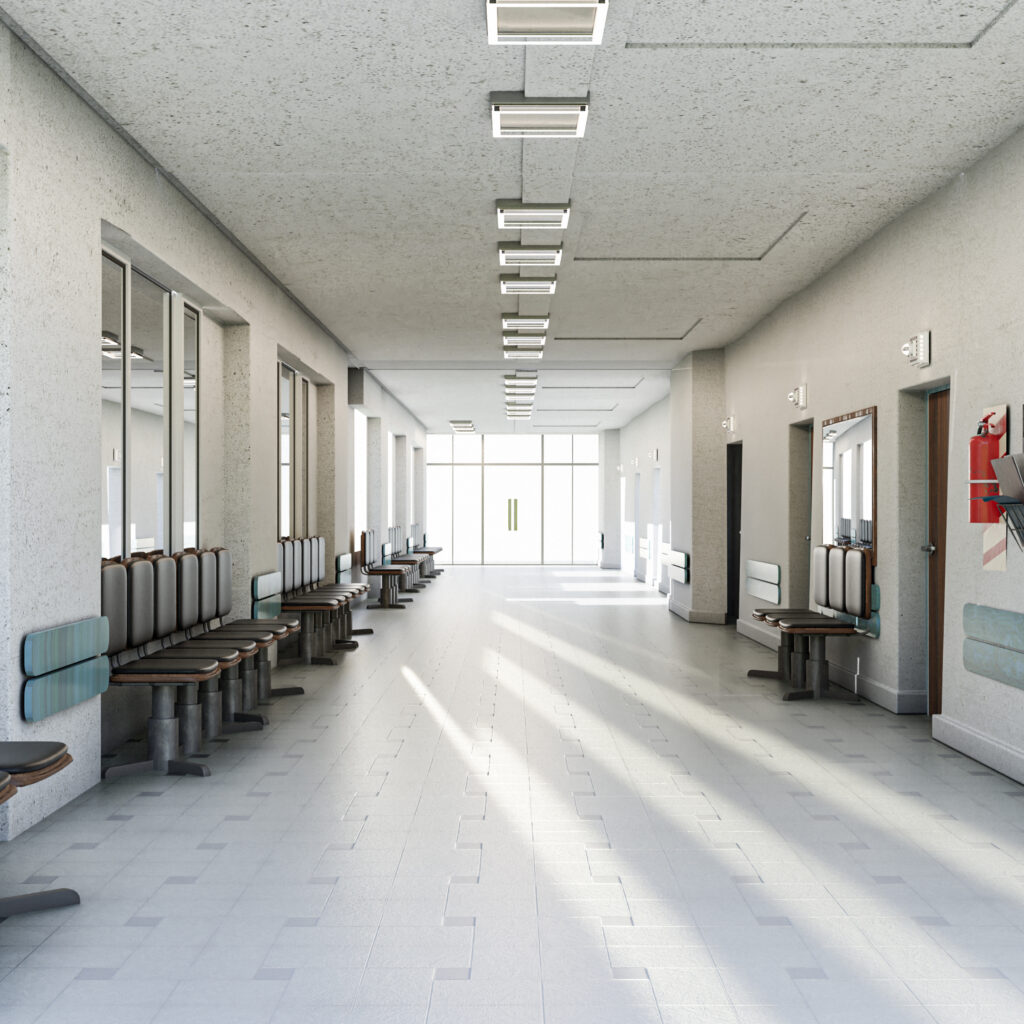
Keeping a medical facility clean is about much more than setting a good first impression. Medical facilities have a legal, and more importantly, ethical, requirement to provide a clean and safe environment to prevent infections and promote safety to all patients, staff, and visitors. Medical office cleaning in Wilmington, NC, needs to be done impeccably. Any area in a medical facility, including waiting rooms, examination rooms, restrooms, and staff areas, needs to be cleaned to mitigate the risk of contamination and the spread of germs from one person to another.
This article will discuss and answer the question of how medical office cleaning should be done to limit the chances of cross-contamination, the importance of that, and what clinics need to do to effectively ensure the safety of patients and staff. The entire article is written in simple terms. This is to empower you to make decisions that you think are the best.
What Is Medical Office Cleaning and Who Needs It Most?
Medical office cleaning is a particular type of cleaning service for medical environments, including clinics, urgent care clinics, dental offices, and outpatient locations.
Medical office cleaning, unlike normal commercial cleaning, is focused on:
- High-touch” surfaces (doorknobs, exam tables, chairs)
- Infection-prone areas (restrooms, labs, treatment rooms)
- The correct use of healthcare-approved disinfectants
- The spread of harmful pathogens and viruses
The goal is not just to clean, but to prevent infection. This type of cleaning is based on healthcare practices and is designed to combat cross-contamination and protect patients.
Why Medical Office Cleaning Matters for Cross-Contamination
Cross-contamination occurs without notice when germs transfer from one location to another, which can be particularly risky in a health care setting when individuals may already be dealing with compromised health due to a weak immune system.
Who benefits the most?
Cleaning medical offices benefits:
- Healthcare patients, due to the decreased chances of acquiring HAI (healthcare-associated infections)
- Healthcare workers, because their daily germ exposure is lessened
- Healthcare facilities, as their adherence to safety and health regulations is reinforced
- Healthcare guests, who may unknowingly carry or pick up pathogens
- Cleaning lapses, no matter how small, can lead to the quick dispersal of bacteria or viruses over commonly used surfaces.
Key Points to Know About Cross-Contamination and Cleaning
1. How do germs spread in a medical office?
Germs spread in medical offices due to:
- Touching contaminated surfaces
- Using shared tools like blood pressure cuffs or clipboards
- Using the same cleaning cloth in different rooms
- Not cleaning surfaces and not washing hands
For example, if the same cleaning cloth is used to wipe multiple exam rooms, germs can be spread from one patient area to another.
2. Why are high-touch areas the biggest risk in a medical office?
Adding high-touch surfaces is the main contributor to cross-contamination, which are:
- Door handles
- Light switches
- Chairs in the waiting room
- Check-in counters
- Bathroom handles
A medical office cleaning in Wilmington NC, makes sure these surfaces are properly disinfected and not just wiped.
3. The Importance of Cleaning Guidelines and Checklists
Having guidelines is an important element of streamlining the cleaning process. The absence of a guideline is what makes guesswork, which is the reason why one of the medical office cleaning checklist is so important. Cleaning teams use it so that no major components of the office are skipped.
This checklist typically includes:
- A detailed checklist for the disinfection of each room
- Tools that are used based on color to prevent cross-contamination
- Safe waste disposal
- Documentation to ensure accountability
The use of a checklist encourages consistency and lessens the occurrence of mistakes and oversights.
4. Why Are Medical Cleanings Different From Regular Cleanings
Unlike normal environments, medical environments need to use:
- Disinfectants that are approved by the EPA
- Allow disinfectants to stay on the surfaces for a period of time (dwell time)
- Cleaners must go through specialized training
- Tools for cleaning need to be kept separate
The level of care that is needed is very similar to what is expected when you use doctor office cleaning services in Jacksonville, where an emphasis on healthcare standards is non-negotiable.
Common Misconceptions About Medical Office Cleaning
Myth vs Truth
Myth: “If it looks clean, it’s safe.”
Truth: Many germs are invisible to the naked eye, and even clean surfaces can be contaminated without proper disinfection.
Myth: “Regular janitorial cleaning is enough.”
Truth: Medical Office cleaning needs to be specialized to appropriately address the risk for cross-contamination.
Myth: “Cleaning once a day is enough.”
Truth: Some places are so high traffic that they need to be cleaned more than once a day.
Myth: “Disinfectants work the same.”
Truth: only healthcare-grade disinfectants work against certain pathogens.
Tips to Reduce Cross-Contamination in Medical Offices
The following tips help mitigate risks in the day-to-day operation of a clinic, whether you run one or work in one:
- Putting on a schedule for professional medical office cleaning
- Verifying that healthcare cleaning protocols are taught to the cleaners
- Employing different cleaning tools for restrooms and for exam rooms
- Cleaning and disinfecting daily high-touch surfaces multiple times
- Staff hand hygiene and surface cleaning should be encouraged
- Obtaining cleaning services from seasoned providers, such as doctor office cleaning in Jacksonville, who are familiar with medical-grade requirements
- Cleaning should be proactive, not reactive. Consistency is critical.
Frequently Asked Questions (FAQs)
1. How often should a medical office be cleaned?
High-traffic areas should be cleaned daily, and high-touch areas should be disinfected multiple times a day. Regular professional deep cleaning is recommended.
2. What is cross-contamination in healthcare settings?
Cross-contamination is the transfer of germs from one surface, person, or area to another, increasing the risk of infection.
3. Are medical office cleaning services regulated?
Though the level of regulation may vary from state to state, medical care facilities must follow CDC and OSHA guidelines. Local health department guidelines may provide additional services, but most professional cleaning services meet these requirements.
4. Can improper cleaning cause patient illness?
Yes. If the cleaning is not done thoroughly and properly, pathogens may be allowed to spread, which may cause infections.
5. Is medical office cleaning different from hospital cleaning?
Yes. While hospitals have more stringent protocols, medical offices also need specialized cleaning services that go beyond typical commercial cleaning.
6. How do I know if my cleaning service is effective?
You should look into their cleaning protocols and staff training, the disinfectants they use, and their history of working in healthcare, to gauge service transparency and quality.
Conclusion:
Cleaning protocols done in the medical office cleaning in Wilmington NC, and office cleaning in Jacksonville significantly lessen the risks of cross-contamination and keep everyone safe who steps inside the healthcare facility. The right plan of action to germ control is thorough disinfection of high-touch surfaces and cleaning in a systematic manner.
It is possible to create a much cleaner and safer area for both the staff and the patients by knowing how cleaning relates to safety and following the best practices that are tried and proven in the professional healthcare environment.
Contact us to speak with our team about maintaining a clean, compliant, and patient-safe medical environment.
Discover More : How Clean Gyms Attract More Local Members Without Extra Marketing

Leave A Comment